

What Are Kidney Stones?
Kidney stones are hard, crystalline deposits that form inside the kidneys when minerals and salts in the urine become too concentrated. They range from a grain of sand to a golf ball in size. Small stones often pass on their own; larger stones or those in difficult locations need treatment. Around 1 in 10 people will develop a kidney stone at some point in their lifetime, and once you have had one, the risk of another within 10 years is around 50%.
- Kidney stones form when minerals in the urine crystallise inside the kidney.
- Stones under 5mm often pass naturally with medication and increased fluid intake.
- Larger or obstructing stones usually need ESWL, ureteroscopy or PCNL to remove them.
- A stone causing a blocked kidney, infection or severe pain needs prompt treatment.
- Knowing what type of stone you had is the key to preventing the next one.
- Private assessment and treatment is available in London without a GP referral, usually within days.
Common Symptoms
Symptoms depend on the size and position of the stone. A small stone sitting still in the kidney may cause no symptoms at all. Once it starts to move, it can cause:
- Severe pain in the back, side or lower abdomen (renal colic)
- Pain that comes in waves and radiates towards the groin
- Blood in the urine (haematuria)
- Nausea and vomiting during pain episodes
- Frequent or painful urination
- Recurrent urinary tract infections
If you develop a high fever alongside stone symptoms, this suggests a blocked and infected kidney. This is a medical emergency and requires urgent treatment. Not all pain in that area is a stone, however. Our guide to what can mimic kidney stone pain covers the conditions that are commonly mistaken for one.
What Causes Kidney Stones?
The most common cause is not drinking enough fluid. When urine becomes concentrated, minerals stick together and form crystals. Other factors include:
- A diet high in salt, animal protein or oxalate-rich foods (such as spinach, nuts and chocolate)
- Metabolic conditions including hyperparathyroidism and gout
- A family history of kidney stones
- Obesity and metabolic syndrome
- Certain medications, including some diuretics and calcium-based antacids
Understanding the underlying cause matters for preventing stones from forming again. Mr Ghei arranges stone composition analysis after treatment so that a targeted prevention plan can be put in place.
How Are Kidney Stones Diagnosed?
Diagnosis at Urocare London includes a review of your symptoms, blood and urine tests, and imaging. A CT scan of the kidneys, ureters and bladder is the most accurate investigation and allows Mr Ghei to assess the exact size, number and position of any stones before advising on the right treatment approach.
What Should You Do About a Suspected Kidney Stone?
If you have symptoms, the sensible step is to be assessed promptly rather than waiting for the pain to return. At Urocare London you can be seen privately within days, with no GP referral, by Mr Maneesh Ghei. Both self-funded and insured patients are welcome.
From Diagnosis to Recovery
Kidney Stone Treatment Options
Mr Ghei offers the full range of kidney stone treatments. The recommendation is based on your stone, your anatomy and your circumstances, not limited by what a clinic happens to offer.
Diagnosis and Assessment
A full review of your symptoms, imaging and urine results to confirm stone size, location and composition. Includes CT scan reporting, blood and urine analysis, and a clear treatment recommendation at your first appointment.
Conservative Management
Stones under 5mm often pass naturally with the right support. Mr Ghei will prescribe alpha blocker medication to ease passage, manage pain, and monitor your progress to confirm the stone has cleared.
ESWL (Shock Wave Lithotripsy)
A non-invasive outpatient procedure using targeted shock waves to break the stone into fragments small enough to pass in the urine. No anaesthetic, no incisions, typically completed within an hour.
Ureteroscopy with Laser
A day case procedure using a thin telescope to reach the stone and a holmium laser to fragment it. Suitable for most stones in the ureter or kidney that cannot be managed conservatively.
PCNL (Percutaneous Nephrolithotomy)
Surgical removal of larger or more complex stones through a small incision in the back. The most thorough option for significant stone burden or where other treatments are not appropriate.
Stone Analysis and Prevention
Once treated, understanding what caused your stones reduces the risk of recurrence. Mr Ghei arranges stone composition analysis and a personalised prevention plan covering diet, hydration and medication where needed.
Your Pathway
What to Expect at Your First Appointment
Most patients leave their first appointment with a clear picture of their situation and a treatment plan in place. Here is what the process looks like.
Book a Consultation
See Mr Ghei at one of 4 London private hospitals. No GP referral needed. Most patients are seen within a few days of enquiry. Initial consultation fee is £250.
Assessment and Imaging
CT scan review, urine and blood tests, and a full assessment of your stone. Mr Ghei explains exactly what you are dealing with and what the options are.
Treatment and Follow-up
Treatment is arranged as quickly as your situation requires. Where appropriate, day case procedures mean most patients are home the same day. Mr Ghei follows you through to recovery.
Why Patients Choose Urocare London
Specialist Kidney Stone Care, Not a General Private Clinic
Every Treatment Option Available
Mr Ghei offers the full range, from conservative management through to ESWL, ureteroscopy and PCNL. The recommendation is based on what is right for your stone, not what a single clinic happens to offer.
Day Case Where Possible
ESWL and ureteroscopy are both outpatient or day case procedures. Most patients are assessed, treated and home the same day or within 24 hours, with no unnecessary hospital stays.
One Consultant, Start to Finish
You see Mr Ghei from your first scan review through treatment and follow-up. No handovers to a different surgeon. No loss of context between appointments.
Multilingual Consultations
Consultations available in English, Hindi, Punjabi and Urdu. So you can discuss your health in the language you are most comfortable with.
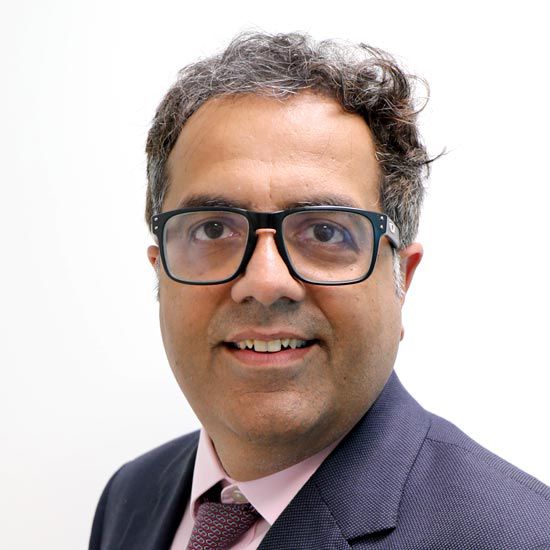
Your Specialist Consultant
Mr Maneesh Ghei, Consultant Urological Surgeon
MBBS, MS, MRCSEd, MD (UCL), FRCS (Urol) • GMC: 5208045
Mr Ghei is a consultant urological surgeon with specialist expertise in the diagnosis and surgical treatment of kidney stones, including ESWL, ureteroscopy with holmium laser lithotripsy and PCNL. He holds a Research MD from University College London and a fellowship in the treatment of urological stone disease.
In his NHS role, Mr Ghei is Cancer Lead and Academic Lead at Whittington Hospital London. He brings that clinical depth to every patient at Urocare London, with a particular focus on complex endourology and stone disease management.
Whether you are passing a small stone or need surgical removal of a larger one, you will be assessed and treated by Mr Ghei personally from your first appointment through to follow-up. Both self-funded and insured patients are welcome, and no GP referral is required to book.
ESWL, Ureteroscopy, PCNL
Fellowship in Urological Stone Disease
MD from University College London
Bupa Platinum Recognised
English, Hindi, Punjabi and Urdu
Patient Reviews
What Our Patients Say
97% of patients independently surveyed by PHIN (the Private Healthcare Information Network) felt Mr Ghei definitely met their needs.
“Mr Ghei was thorough, professional, and put me completely at ease. He explained everything clearly and I felt confident in his care from the first consultation.”
“After months of worry, I got a same-week appointment. The diagnosis was clear, treatment options were explained in detail, and the aftercare was exceptional.”
“Excellent surgeon with a wonderful bedside manner. He took the time to answer all my questions and made the whole experience far less stressful than I expected.”
Convenient Locations
4 Private Hospital Locations
Urocare London holds clinics in Central London, North London and Hertfordshire. Choose the location most convenient for you.
The Wellington Hospital
St John’s Wood, NW8
King Edward VII’s Hospital
Marylebone, W1G
Highgate Hospital
Highgate, N6
HCA Outpatients & Diagnostics
Elstree, WD6
Common Questions
Kidney Stones: Frequently Asked Questions
+
+
+
+
+
+
+
+
+
+
+
Kidney stone symptoms?Get seen this week. No waiting lists.
Urocare London offers same-week private kidney stone assessment and treatment at 4 London hospitals. Take the first step today.